Do Air Conditioning Services Recommend Replacing Outdoor Units Alone?
Managing your home's thermal comfort requires a solid understanding of how different heating and cooling components interact over time. When your cooling system starts to struggle, you might wonder if you can just swap out the failing exterior equipment rather than investing in a complete system overhaul. Professional air conditioning services frequently address this exact dilemma for homeowners looking to balance immediate upfront costs with long-term performance. Deciding whether to replace only the exterior segment involves evaluating technical compatibility, long-term efficiency, environmental regulations, and overall financial impact.
By analyzing system dynamics, component life cycles, and expert recommendations, you can make the best choice for your living space. Replacing part of a system is technically possible under specific conditions, but it carries several trade-offs that every property owner should evaluate carefully. Professional air conditioning services rely on detailed diagnostics to determine whether a partial swap will deliver reliable comfort or lead to performance issues down the road. Exploring the function of exterior components, industry standards, and system compatibility will help you navigate this important decision.
Examine the Role of Outdoor Units
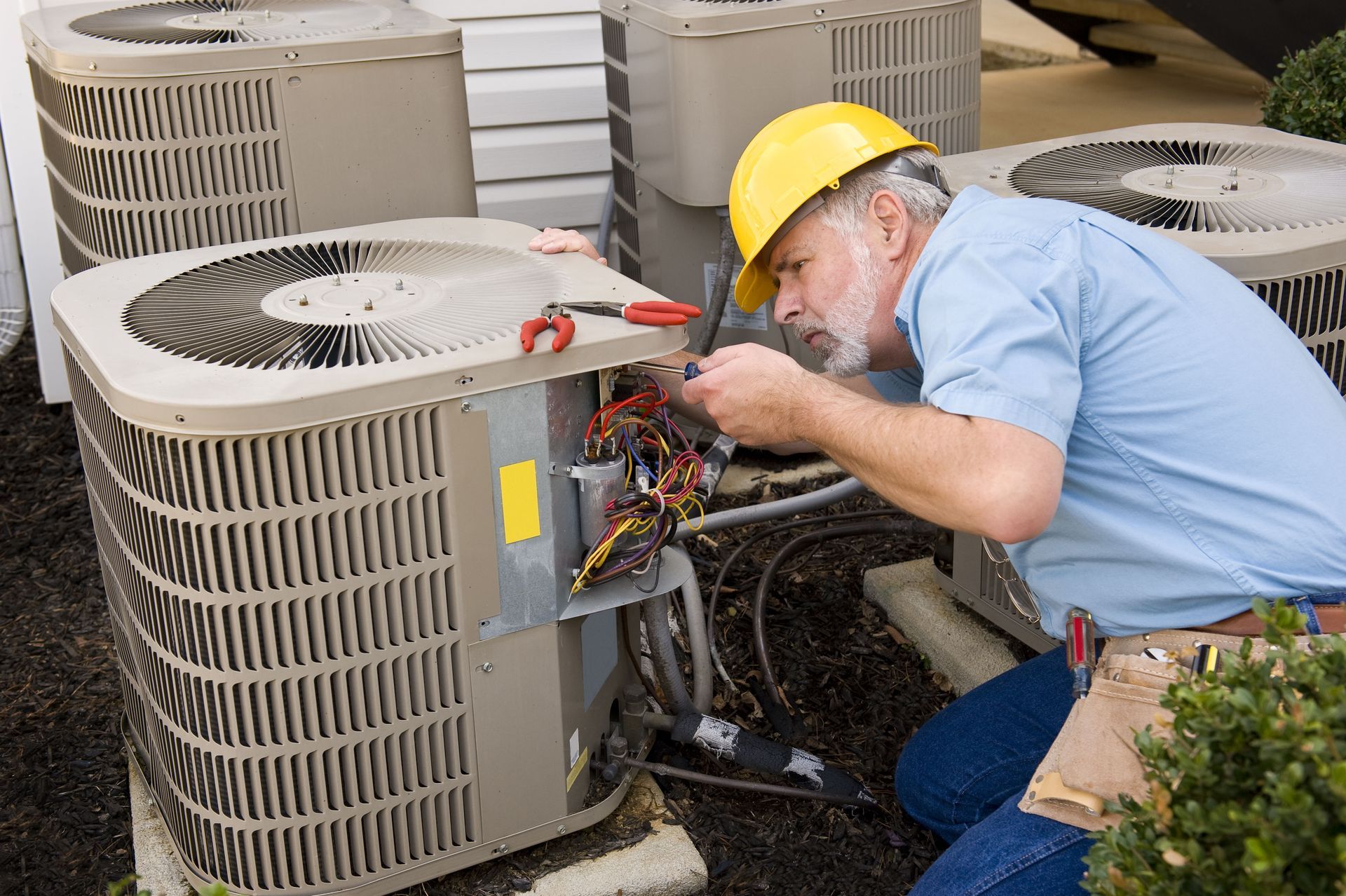
The exterior portion of a central cooling system plays a critical role in keeping your indoor environment comfortable by releasing collected thermal energy outside. This section houses vital parts, including the compressor, the condenser coil, a heavy-duty fan, and electrical components like capacitors and contactors. The compressor acts as the heart of the setup, pumping refrigerant through line sets to transfer heat from inside your home to the outside air. Because this equipment resides outdoors, it faces continuous exposure to rain, extreme temperatures, direct sunlight, and yard debris, all of which accelerate wear and tear over time. Ensuring regular maintenance and shielding strategies can significantly mitigate these environmental impacts.
Because indoor and outdoor components must operate in perfect harmony, their technical synchronization is vital. The interior evaporator coil absorbs indoor heat into the circulating refrigerant, which the exterior compressor then pressurizes and cools. If these two components are mismatched in size, capacity, or age, the entire system loses efficiency and struggles to maintain consistent indoor temperatures. Dedicated air conditioning services evaluate this paired performance to ensure your home receives steady, cost-effective cooling during the hottest months of the year. Achieving such balance often requires professional assessments and adjustments to anticipate future system upgrades.
Identify Signs of Exterior Unit Degradation
Recognizing when your exterior cooling equipment is failing helps prevent unexpected breakdowns and costly emergency repairs. Common indicators of severe wear include unusually loud grinding or squealing noises, frequent circuit breaker trips, refrigerant leaks, and inconsistent cooling throughout your living space. If your monthly energy bills spike without a corresponding change in usage, your exterior equipment may be working extra hard due to internal mechanical strain. Periodic performance reviews can help identify these issues early and avoid unexpected operating costs.
When major components like the compressor fail, property owners face a major decision point regarding repair versus replacement. Routine maintenance can extend equipment life, but aging hardware eventually reaches a point where continuous repairs offer diminishing returns. Expert air conditioning services perform detailed diagnostic checks, measuring electrical draw, system pressure, and airflow to determine if an exterior unit has reached the end of its functional life. Such assessments provide a cost-benefit analysis to guide investments in either repair or complete system upgrades.
Navigate Refrigerant Compliance and System Compatibility
Refrigerant compatibility is one of the most critical technical factors in deciding whether to replace an outdoor unit by itself. Older cooling setups rely on phased-out refrigerants like R-22, while newer systems utilize modern, eco-friendly alternatives. According to HomeGuide, replacing just the outdoor unit remains an option if indoor components are compatible, but you must upgrade the full system if your old setup uses R-22 or R-410A refrigerant. Understanding refrigerant evolution helps align system choices with both environmental standards and long-term operational goals.
Attempting to connect a new outdoor unit designed for modern refrigerants to an outdated indoor coil using R-22 or R-410A creates severe operational conflicts. The differing operating pressures and lubricant requirements will cause premature compressor failure and destroy system efficiency. Professional air conditioning services check existing refrigerant lines and coil specifications to confirm total system compatibility before proposing any hardware modifications. Such precautionary checks help avert costly damages and ensure sustained efficiency post-upgrade.
Analyze Costs and Long-Term Efficiency Gains
Evaluating the financial difference between replacing only the exterior unit versus upgrading the full system requires looking beyond the initial installation quote. Swapping just the outside equipment carries a lower upfront cost, which can seem attractive when working with a tight budget. However, pairing a new, high-efficiency outdoor condenser with an aging indoor evaporator coil often prevents the system from achieving its rated Seasonal Energy Efficiency Ratio (SEER). Adding comprehensive assessments of both short-term savings and long-term operational costs can further clarify the most advantageous investment strategy.
A mismatched system works harder to cool your home, leading to higher monthly utility bills and shortened equipment lifespan. Additionally, manufacturer warranties often require fully matched indoor and outdoor systems to validate full coverage. Established air conditioning services provide transparent cost-benefit analyses, demonstrating how investing in a fully matched system delivers lower energy bills, better humidity control, and superior long-term reliability. Engaging in proactive maintenance and timely upgrades can enhance system performance and extend equipment life, ensuring comfort and savings.
Evaluate Key Reasons for System Replacement
Homeowners choose to upgrade their cooling equipment for several reasons beyond simple component failure. Older units degrade over time, losing their ability to cool efficiently even with frequent professional maintenance. Upgrading to modern equipment allows you to take advantage of advanced features like variable-speed compressors, smart thermostat integration, and enhanced filtration capabilities. The inclusion of these innovations paves the way for more personalized and energy-efficient climate control solutions.
Environmental regulations also drive many equipment upgrades as older refrigerants become increasingly scarce and expensive to service. Replacing aging equipment helps lower your home's energy consumption and reduces your overall environmental footprint. Experienced air conditioning services help you navigate local energy efficiency standards and identify available rebates to maximize your overall investment return. Additionally, engaging with knowledgeable professionals provides insights into the latest technological advancements and sustainability opportunities.
Trust Professional Diagnostics and Care
Determining the right approach for your cooling system requires comprehensive technical evaluation rather than guesswork. Professional technicians inspect refrigerant lines, check electrical safety, evaluate airflow, and measure thermal transfer across your indoor and outdoor coils. These detailed diagnostics ensure that any recommended equipment changes provide lasting comfort and optimal operating efficiency.
Proper ongoing care remains essential for protecting your equipment investment once new components are in place. Regular preventive visits—including coil cleaning, electrical checks, filter changes, and refrigerant level verifications—keep your equipment running smoothly and prevent unexpected downtime during extreme weather. Professional air conditioning services provide structured maintenance plans to preserve equipment efficiency and protect your long-term peace of mind.
Deciding whether to replace an outdoor cooling unit alone requires a careful balance of immediate budget constraints, technical compatibility, and long-term operating costs. While partial replacements can work under specific, compatible conditions, upgrading matched indoor and outdoor components generally delivers superior efficiency, better system reliability, and comprehensive warranty coverage. When you need experienced technicians to inspect your system, check equipment compatibility, and provide reliable cooling solutions tailored to your home, contact Advantage Heating & Cooling, Inc.

Share On: