When Air Conditioning Service Means It's Time to Replace
Air conditioning systems represent a cornerstone of modern home comfort, maintaining an agreeable and healthy indoor climate during hot summer months. Despite their critical role, many property owners grapple with deciding when routine air conditioning service is no longer sufficient to keep an aging cooling unit running reliably. Recognizing when repair efforts stop making practical financial sense empowers homeowners to make smart investments in their property infrastructure.
Understanding the subtle indicators of system decline allows consumers to transition smoothly from continuous repairs to a high-performing equipment upgrade. By evaluating operational costs, system efficiency, performance consistency, and environmental impacts, property owners can make clear choices aligned with their budget and lifestyle goals. Evaluating these key symptoms ensures reliable summer cooling while avoiding unnecessary, recurring maintenance expenses.
Evaluate Your Cooling Unit Lifespan
According to HomeGuide, a new cooling unit generally operates for 15 to 20 years, although overall durability depends on variables such as equipment quality, operational environment, installation precision, routine maintenance, and daily usage patterns. Understanding this typical longevity window provides essential context when evaluating whether your current system can continue delivering dependable household comfort.
Installation precision plays an influential role in determining how well equipment withstands daily operational demands over extended periods. Scheduling regular air conditioning service can catch minor issues early, preventing small mechanical flaws from compounding into severe system breakdowns as internal components naturally age and wear down.
Environmental conditions like high humidity or heavy dust exposure accelerate mechanical wear on delicate electrical wires, terminals, and motor coils. Over time, these environmental stressors degrade total cooling capacity, resulting in noisy operations, reduced airflow, and inconsistent temperature management across primary living spaces.
When an older cooling unit reaches the end of its expected operational life, routine maintenance yields diminishing financial returns. Continuing to pour resources into an aging unit often delays an inevitable equipment upgrade that would offer superior seasonal efficiency, lower monthly operating costs, and enhanced indoor comfort.
Recognize Signs of Frequent Breakdowns
Evaluating recent repair bills against the purchase price of a modern cooling system helps establish long-term financial viability. Continually paying for air conditioning service to patch up persistent mechanical faults can quickly total a substantial portion of a brand-new, energy-efficient system.
Recurring unexpected breakdowns create significant daily frustration while disrupting household comfort during peak summer weather. Persistent operational interruptions signal deep mechanical failures within primary drive components that quick emergency repairs cannot resolve, compounding indirect costs and scheduling hassles for busy homeowners.
Major internal components such as compressor units, condenser coils, or blower motors require extensive labor and expensive parts to replace. When these critical parts fail repeatedly, patching individual components leaves remaining aging mechanisms vulnerable to subsequent breakdown events shortly thereafter.
Relying on experienced technical guidance helps clarify when continuous repairs no longer make practical or financial sense. Skilled technicians provide objective performance evaluations, enabling property owners to choose proactive equipment replacement over ongoing emergency interventions that yield temporary operational results.
Monitor Escalating Monthly Energy Costs
Declining operational efficiency often manifests gradually through subtle changes in overall cooling performance and system responsiveness. Homeowners might notice longer cooling cycles, restricted air delivery, or constant system cycling as aging equipment struggles to maintain set thermostat temperatures during hot afternoon hours.
Comparing current electric utility bills against historic energy statements reveals clear trend lines regarding declining equipment efficiency. Unexpected surges in monthly electrical usage usually indicate that internal mechanical components are working significantly harder to deliver standard indoor cooling results.
Technological advances in modern cooling equipment deliver substantial seasonal efficiency improvements over legacy home designs. Requesting professional air conditioning service helps identify system inefficiencies while highlighting how modern variable-speed compressors and smart thermostat integration dramatically reduce total power consumption.
Calculating the cumulative price of system inefficiency highlights the hidden financial burden of keeping an outdated unit operational. Upgrading to modern high-efficiency equipment turns recurring utility overpayments into productive long-term savings that offset initial equipment purchase and installation costs.
Address Inconsistent Indoor Comfort Levels
Inconsistent indoor temperatures point directly toward declining system capability, airflow restrictions, and distribution problems. Uneven cooling across different rooms creates uncomfortable hot spots, leaving key living spaces feeling unpleasant regardless of thermostat settings or manual vent adjustments.
Effective home climate management requires both consistent temperature reduction and proper indoor humidity control. Enlisting expert air conditioning service ensures that air circulation issues are thoroughly addressed, though severe dehumidification failures in aging equipment often necessitate complete replacement to restore healthy air quality.
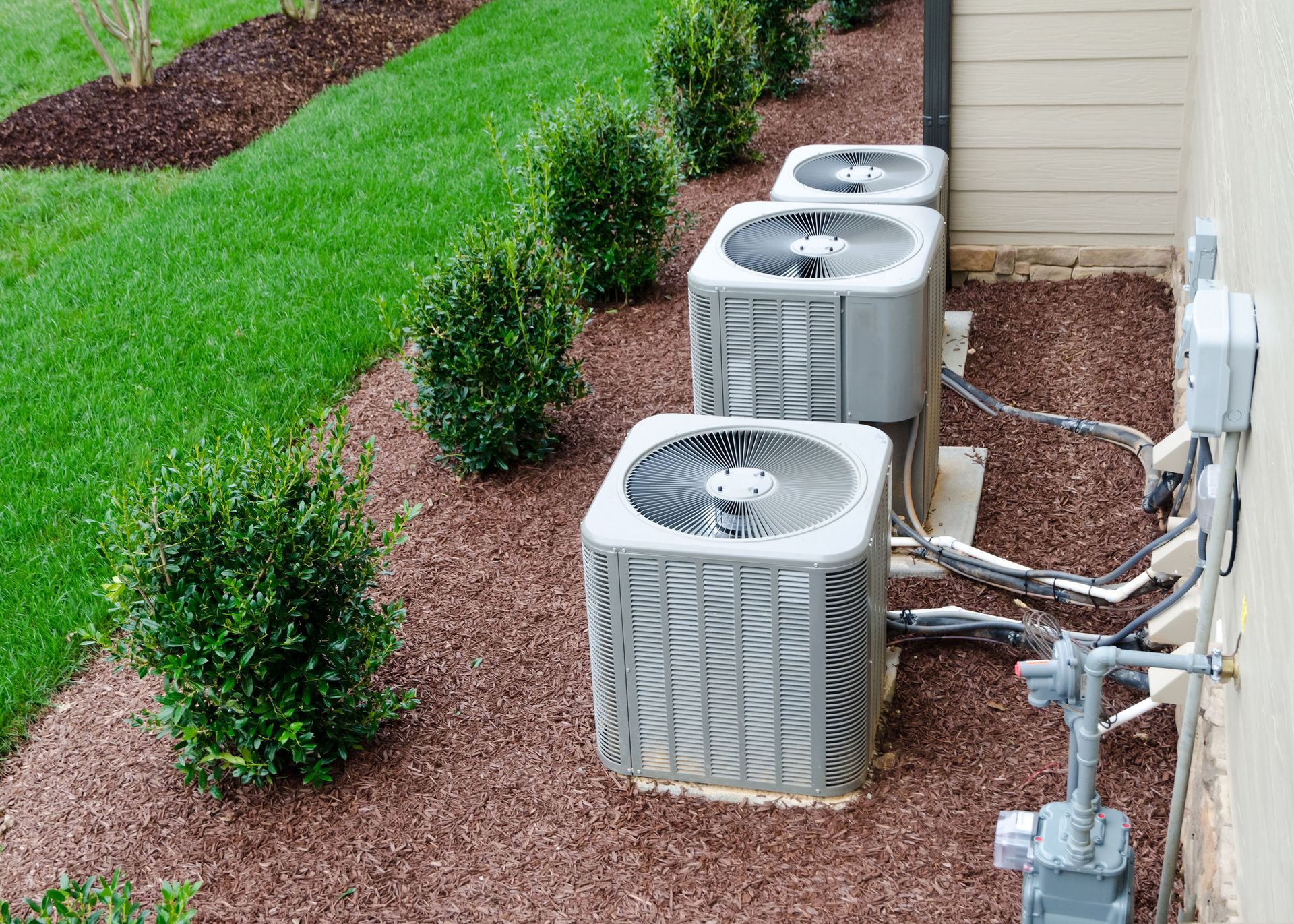
Excessive operational noise emerging from outdoor condenser units or indoor air handlers signals advanced internal mechanical wear. Grinding, rattling, or high-pitched squealing sounds indicate failing fan motors, loose drive belts, or damaged bearings that disrupt household peace and signal impending system breakdown.
Constantly adjusting thermostat settings to achieve baseline room comfort indicates an underlying mechanical or sizing imbalance. Modern replacements eliminate these daily adjustments, providing quiet, uniform cooling that enhances daily living environments while stabilizing monthly energy demands.
Consider Modern Environmental Impacts
Legacy cooling systems often rely on older chemical refrigerants that carry significant environmental risks and face strict regulatory phaseouts. Continuing to operate outdated equipment increases household carbon emissions while raising future repair expenses due to chemical scarcity and rising service costs.
Modern cooling designs utilize eco-friendly refrigerant alternatives that minimize environmental harm while improving overall thermodynamic properties. Upgrading to current standards aligns personal home management with responsible environmental stewardship while ensuring long-term chemical availability for routine equipment care.
Current high-efficiency cooling equipment integrates smart energy management controls that optimize power draw during peak demand periods. These sustainable innovations reduce overall fossil fuel consumption without compromising indoor comfort, cooling responsiveness, or climate control during extreme summer heatwaves.
Booking timely air conditioning service provides clear guidance on eco-friendly replacement options that qualify for energy efficiency designations. Selecting certified efficient systems delivers dependable climate control while lowering long-term ecological footprints across extended equipment lifespans.
Plan Budgetary Strategies for Replacement
Thorough financial planning lays the necessary groundwork for a smooth, stress-free equipment replacement transition. Assessing current household savings alongside long-term utility reduction helps property owners balance immediate capital expenditures against ongoing operational savings over time.
Exploring flexible financing arrangements, manufacturer promotions, and local utility rebate programs significantly lowers net installation expenses. Many modern replacement models qualify for substantial financial incentives, making high-efficiency equipment upgrades far more accessible for budget-conscious families.
Timing your equipment purchase strategically during mild shoulder seasons offers distinct advantages in installation scheduling and promotional pricing. Consulting experts for air conditioning service allows homeowners to weigh equipment costs calmly before peak weather demands prompt emergency replacement situations.
Comparing various equipment choices, warranty coverage, and efficiency ratings ensures optimal long-term investment value. Selecting reputable equipment brands backed by solid manufacturer guarantees safeguards your financial investment while delivering consistent home cooling for many years ahead.
Deciding whether to continue repairing an aging unit or invest in a new equipment installation requires careful evaluation of system age, breakdown frequency, monthly energy costs, and personal comfort requirements. Recognizing when simple repair interventions turn into a full replacement project ensures your home remains cool, efficient, and comfortable year-round.
When you are ready to evaluate your home cooling system or explore modern equipment options, partnering with trusted local professionals makes all the difference. Reach out to us today to schedule your comprehensive consultation with our team at Advantage Heating & Cooling, Inc.

Share On: