
Maximizing the Shelf Life of Essential Home Systems
Modern residential properties function through an intricate network of mechanical, hydraulic, and electrical infrastructure engineered to sustain daily household comfort and safety. Heating and cooling equipment balances interior thermal conditions, plumbing configurations distribute potable water while removing wastewater, and electrical circuits deliver dependable energy across countless consumer appliances. When these interconnected networks operate without interruption, domestic life proceeds smoothly. However, neglecting baseline preventative maintenance causes micro-fissures, corrosion, and electrical resistance to accumulate, accelerating physical deterioration and precipitating catastrophic utility interruptions throughout the entire premises.
Securing maximum operational longevity from critical infrastructure demands a proactive stewardship strategy rather than a reactive repair mindset. Allowing small maintenance oversights to linger behind walls and ceilings guarantees premature system failure, higher monthly energy bills, and sudden financial strain during emergency service calls. By understanding systemic vulnerabilities, establishing structured seasonal checkups, and recognizing early performance deviations, property owners can safely double the functional duration of their capital investments. Prioritizing structured maintenance preserves home equity, minimizes residential carbon emissions, and ensures dependable operational resilience through every demanding climate season.
Understanding the Mechanics of Primary Infrastructure
Every residential dwelling relies on core mechanical configurations that coordinate continuously to maintain environmental hygiene, thermal balance, and personal security. Central climate control machinery circulates conditioned air through extensive ducting, while domestic plumbing networks maintain pressurized water delivery across kitchen fixtures and bathroom assemblies. Simultaneously, the main electrical service entrance channels high-voltage alternating current through breaker panels to supply steady branch circuits. Maintaining these complex assemblies requires a thorough appreciation of how normal mechanical friction, hydraulic water quality, and thermal cycles interact to degrade internal components over time.
Ignoring baseline equipment maintenance accelerates systemic failures, often turning minor component wear into extensive architectural damage. Unfiltered air clouds sensitive heat exchanger surfaces, unconditioned hard water coats water heater elements in thick mineral scale, and loose terminal connections arc inside electrical enclosures. According to Home Advisor, most HVAC systems last 15 to 25 years when they are properly maintained. Achieving that upper operational boundary requires homeowners to monitor baseline performance, replace disposable wear items promptly, and schedule professional evaluations before minor friction translates into permanent structural degradation across the residence.
Optimizing Climate Control Machinery for Longevity
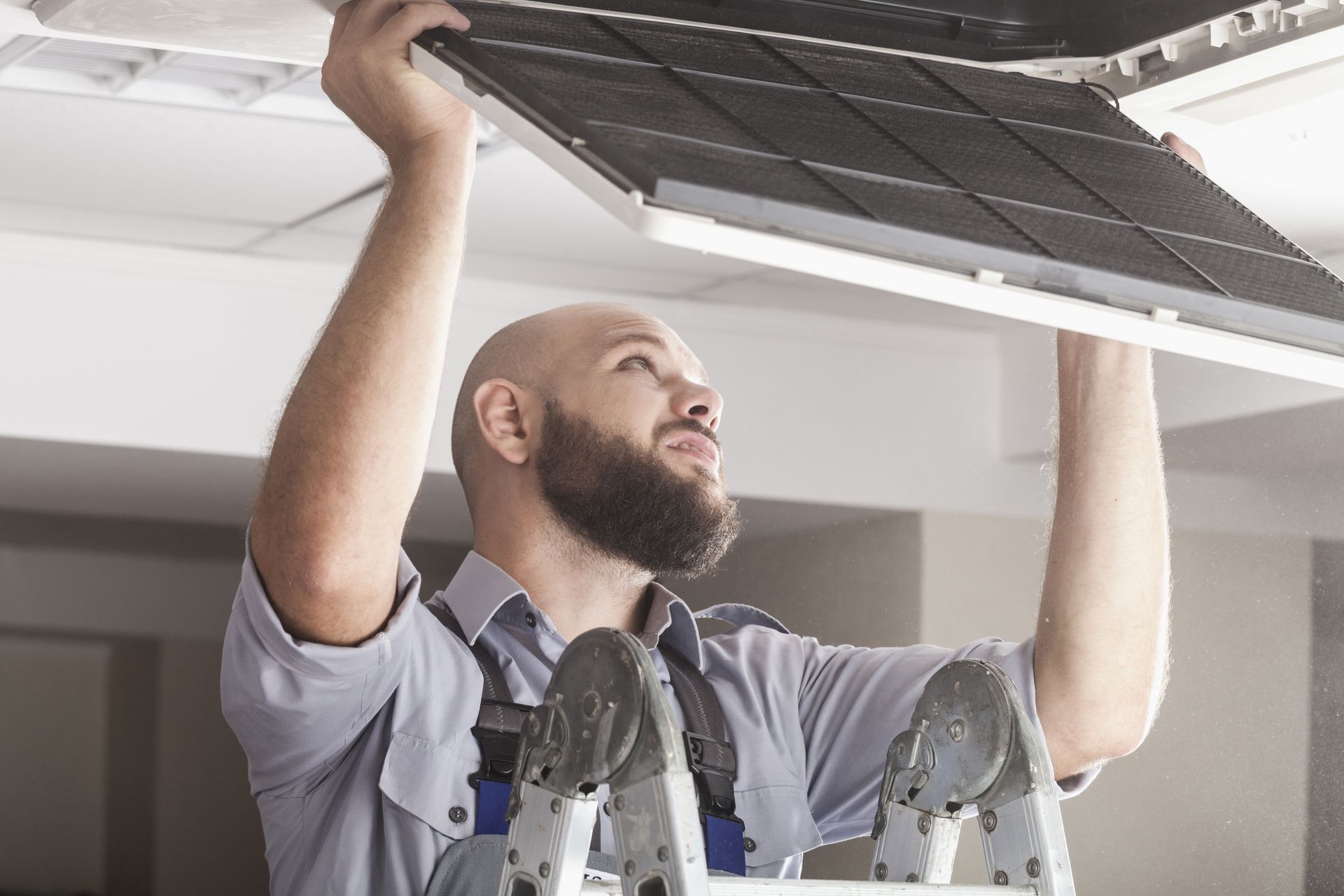
Sustaining dependable performance from heating and cooling equipment requires disciplined seasonal preparation and strict filtration management. Replacing disposable air filters every thirty to ninety days remains the simplest yet most influential preventative measure a homeowner can execute. When filters become clogged with dust, pet dander, and microscopic debris, static airflow pressure spikes, starving blower motors of vital cooling air and overworking compressor components. Furthermore, managing internal ductwork by sealing joint air leaks and eliminating internal blockages preserves balanced static pressure, minimizing the mechanical strain that precipitates early motor burnouts.
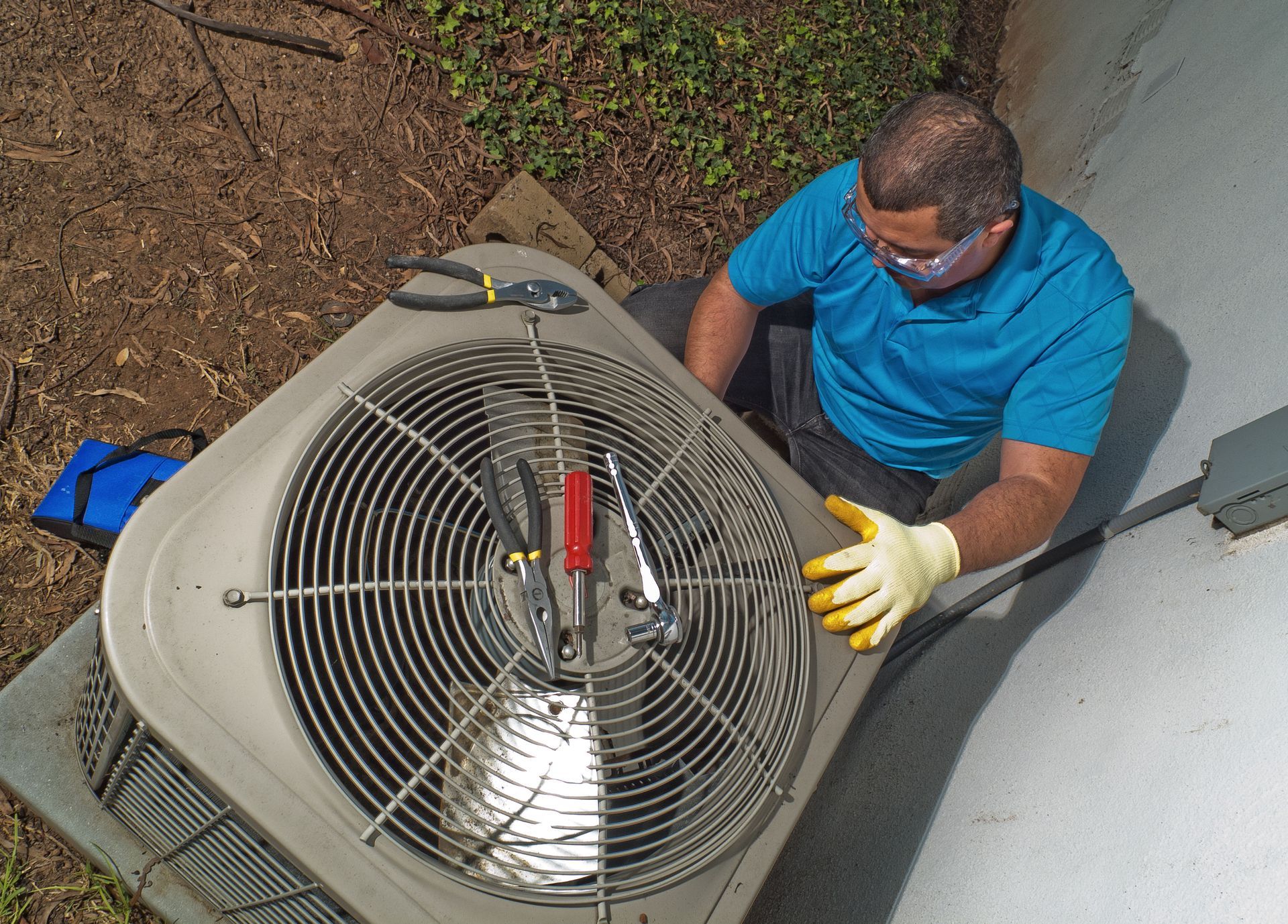
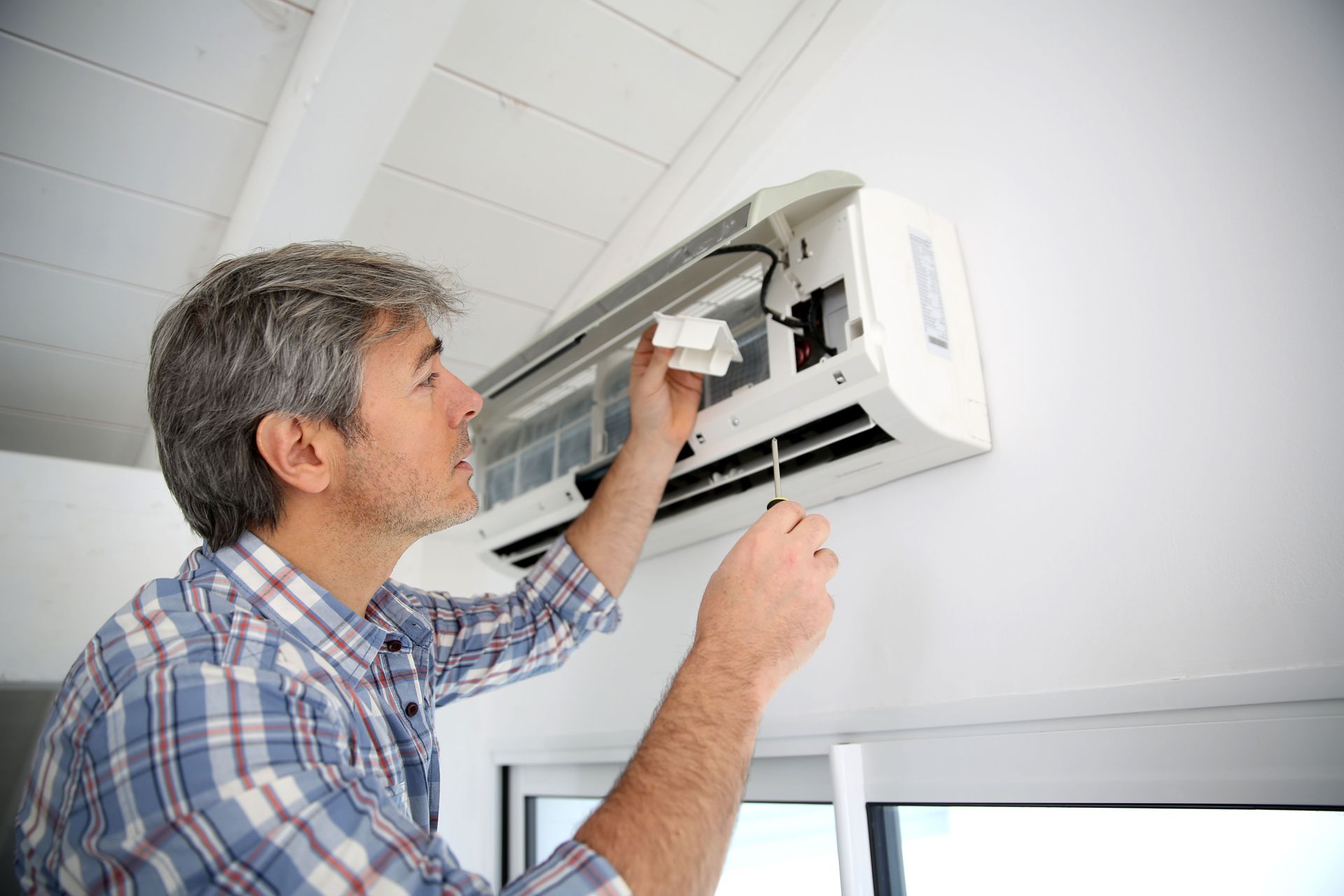
Beyond basic homeowner air filter changes, complex seasonal tune-ups demand the diagnostic precision of an established HVAC company. Licensed technicians measure refrigerant pressures, clean delicate evaporator coils, lubricate motor bearings, and verify proper electrical amp draws across high-voltage contactors. Scheduling comprehensive inspections ahead of summer and winter peaks ensures that worn electrical capacitors and slipping drive belts are replaced before severe temperatures force the system to run continuously. Engaging a certified HVAC company ensures compliance with stringent manufacturer warranty terms, optimizes seasonal energy efficiency, and prevents sudden mechanical breakdowns during extreme seasonal freezes.
Safeguarding Domestic Plumbing and Drainage Networks
Plumbing longevity relies heavily on controlling internal water chemistry and mitigating mechanical pressure stress within copper, PEX, and cast-iron distribution networks. Hard municipal water containing excessive dissolved calcium and magnesium ions precipitates aggressive mineral scaling across pipe walls, narrowing water passages and burning out water heater elements prematurely. Installing dedicated ion-exchange water softening equipment neutralizes these harsh mineral ions, preserving uniform water velocity and dramatically extending the operational lifespan of expensive dishwashers, washing machines, and internal plumbing valves.
Equally critical is the preventative maintenance of drain passages, fixtures, and main supply valves throughout the building. Homeowners must avoid flushing cooking greases, fibrous foods, and harsh chemical drain cleaners down plumbing fixtures, as chemical solvents degrade interior pipe walls and destroy rubber joint seals. Periodically inspecting exposed supply lines under sinks, testing pressure-reducing valves, and exercising main water shut-off valves ensures immediate functionality during unexpected line ruptures. Promptly repairing minor dripping faucets and weeping toilet flappers stops subtle water waste and protects structural framing from destructive subfloor rot.
Maintaining Safe and Balanced Electrical Distribution
Residential electrical systems operate under rigorous physical principles where poor connections, excessive resistance, and sudden voltage spikes can trigger catastrophic building fires. Modern households place immense electrical loads on legacy panels through electric vehicle chargers, modern computer electronics, and high-wattage kitchen appliances. Installing whole-home surge suppression devices at the main breaker panel creates a critical frontline defense, diverting sudden utility grid spikes and lightning surges away from delicate solid-state microprocessors before internal device circuits suffer irreparable damage.
Sustaining electrical longevity also requires routine panel inspections to detect overheating bus bars, loose terminal lugs, and degraded circuit breakers. Homeowners must avoid masking underlying circuit overloads by continuously resetting tripped breakers or running high-draw appliances through cheap multi-plug adapters. Persistent light flickering, buzzing wall receptacles, and warm switch plates represent dangerous resistance points that demand immediate diagnostic troubleshooting by qualified tradespeople. Updating outdated fuse blocks to modern circuit breaker enclosures ensures proper overcurrent protection, minimizes residential fire hazards, and provides the steady power delivery required by advanced home technology.
Integrating Modern Diagnostic and Smart Monitoring Tools
The rapid development of residential smart technology provides property owners with unprecedented insight into equipment performance, automated efficiency, and real-time failure prevention. Connected smart thermostats optimize heating and cooling runtime by analyzing local weather conditions and household occupancy patterns, preventing short-cycling and unnecessary system wear. Automated temperature setback schedules reduce compressor strain while residents are away, lowering monthly utility expenditures while extending equipment life. Coordinating smart climate technology with a skilled HVAC company guarantees accurate sensor calibration, proper low-voltage wiring, and seamless compatibility with variable-speed blower assemblies.
Parallel innovations in smart water and electrical diagnostics offer proactive defense against catastrophic infrastructure failures. Digital acoustic leak detectors and smart inline water valves monitor domestic water flow continuously, instantly severing main water supply lines when microscopic pipe leaks or catastrophic line bursts occur. Similarly, smart electrical monitors mounted inside the main breaker panel track real-time circuit consumption, notifying homeowners of voltage fluctuations and appliance motor degradation before total mechanical failure. Utilizing connected diagnostic devices transforms reactive emergency repairs into predictable, data-driven preventative servicing that preserves building infrastructure over decades.
Structuring a Multi-Year Preventative Action Plan
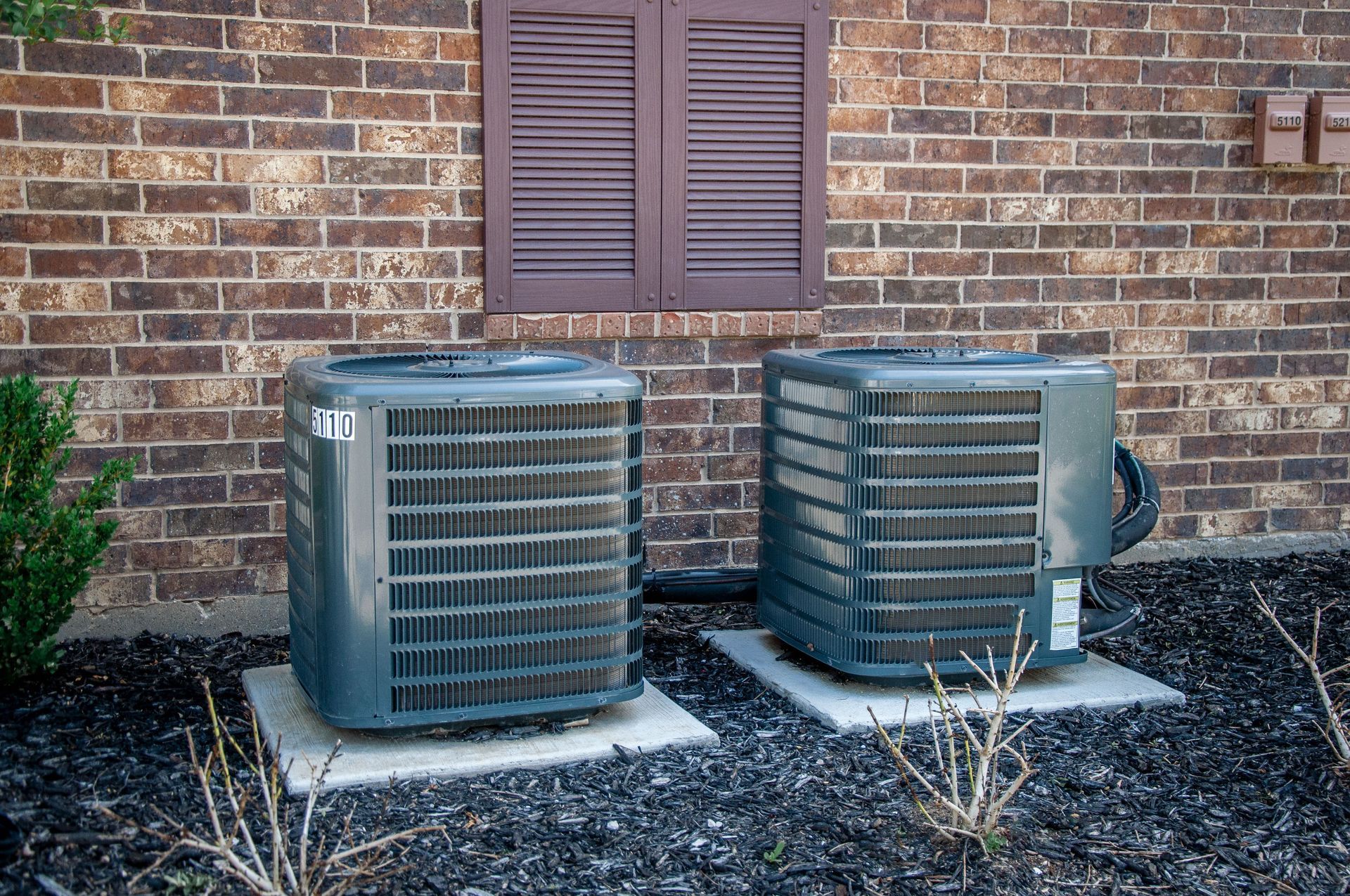
Maximizing residential infrastructure longevity requires a clear, organized calendar mapping seasonal inspections, simple do-it-yourself maintenance, and specialized professional servicing. Homeowners should divide duties logically between basic homeowner responsibilities—such as clearing outdoor condenser debris, replacing air filters, and testing smoke detectors—and complex diagnostic procedures reserved for licensed contractors. Keeping a centralized physical binder or digital ledger of maintenance dates, equipment serial numbers, and warranty documentation provides clear service histories that streamline future troubleshooting and substantially boost property resale value.
Balancing homeowner vigilance with professional trade expertise guarantees that minor mechanical problems are resolved before they trigger catastrophic failures. Establishing long-term service relationships with vetted contractors ensures priority scheduling during severe seasonal weather when service demand surges across the region. Consulting an experienced HVAC company to conduct bi-annual safety checkups keeps delicate combustion systems and complex refrigeration loops operating within strict factory tolerances. Implementing a structured maintenance schedule transforms domestic property management into an orderly, cost-effective discipline that protects your family and safeguards your home investment.
When your heating and cooling equipment begins making unusual sounds, struggles to maintain consistent indoor temperatures, or approaches the end of its projected operational lifespan, relying on professional trade expertise is essential. For comprehensive seasonal tune-ups, high-efficiency equipment replacements, and reliable preventative maintenance agreements tailored to your property, contact Advantage Heating & Cooling, Inc. to schedule your full system evaluation. Their licensed technicians provide transparent diagnostics, precision calibrations, and skilled craftsmanship designed to maximize equipment efficiency and durability. Partner with a dedicated local HVAC company today to preserve your home systems and enjoy lasting comfort and peace of mind.

Share On: