
Repair or Replace? Knowing When to Stop Pouring Money into Aging Climate Systems
Every homeowner eventually faces the dilemma of whether to patch up an aging air conditioner or replace the entire heating and cooling setup. Knowing when to stop investing in declining machinery is critical for maintaining household comfort and financial stability. As climate control equipment ages, performance drops while monthly utility costs steadily climb. Partnering with a certified HVAC contractor provides homeowners with objective diagnostics, helping them determine whether short-term repairs still make economic sense or if installing modern equipment is the smarter investment.
Deciding between equipment restoration and comprehensive system replacement involves evaluating operating costs, warranty coverage, and component durability. While immediate fixes might appear cheaper initially, ongoing mechanical failures often turn older systems into expensive liabilities. A qualified HVAC contractor can assess the operational integrity of major components, helping you balance short-term repair budgets against the long-term energy savings delivered by modern heating and cooling technology.
Evaluating Lifespan and System Aging
Assessing Typical Equipment Longevity
Central air conditioners and heat pumps deliver an average operational lifespan of 10 to 15 years, while well-built gas furnaces can function for up to two decades. However, local weather extremes, runtime demands, and maintenance consistency cause actual equipment life to vary considerably. As machinery crosses the 10-year threshold, major internal parts experience structural fatigue. A seasoned HVAC contractor can perform an in-depth lifecycle evaluation to determine if key assemblies, such as the compressor or heat exchanger, remain dependable.
Identifying Physical Indicators of Equipment Fatigue
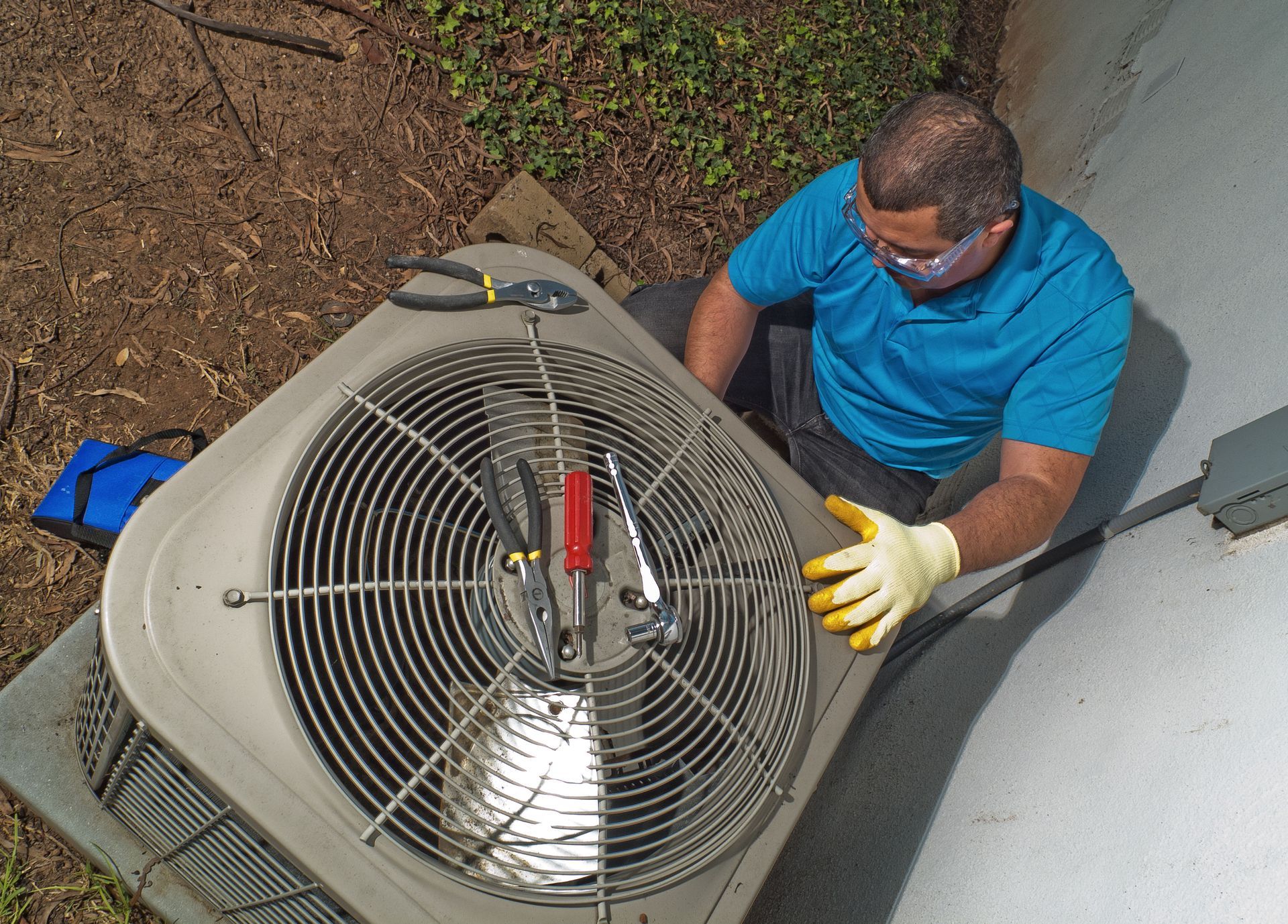
Aging systems display clear warning signs before total operational breakdown. Homeowners often notice loud banging or grinding noises, persistent short-cycling, and hot or cold spots throughout the house. A sharp, unexplained rise in monthly electric bills usually indicates internal friction and failing mechanical parts. When warning signs emerge, having an HVAC contractor inspect the unit ensures you identify minor electrical failures before they trigger catastrophic motor burnout.
Maintaining Components to Extend Service Life
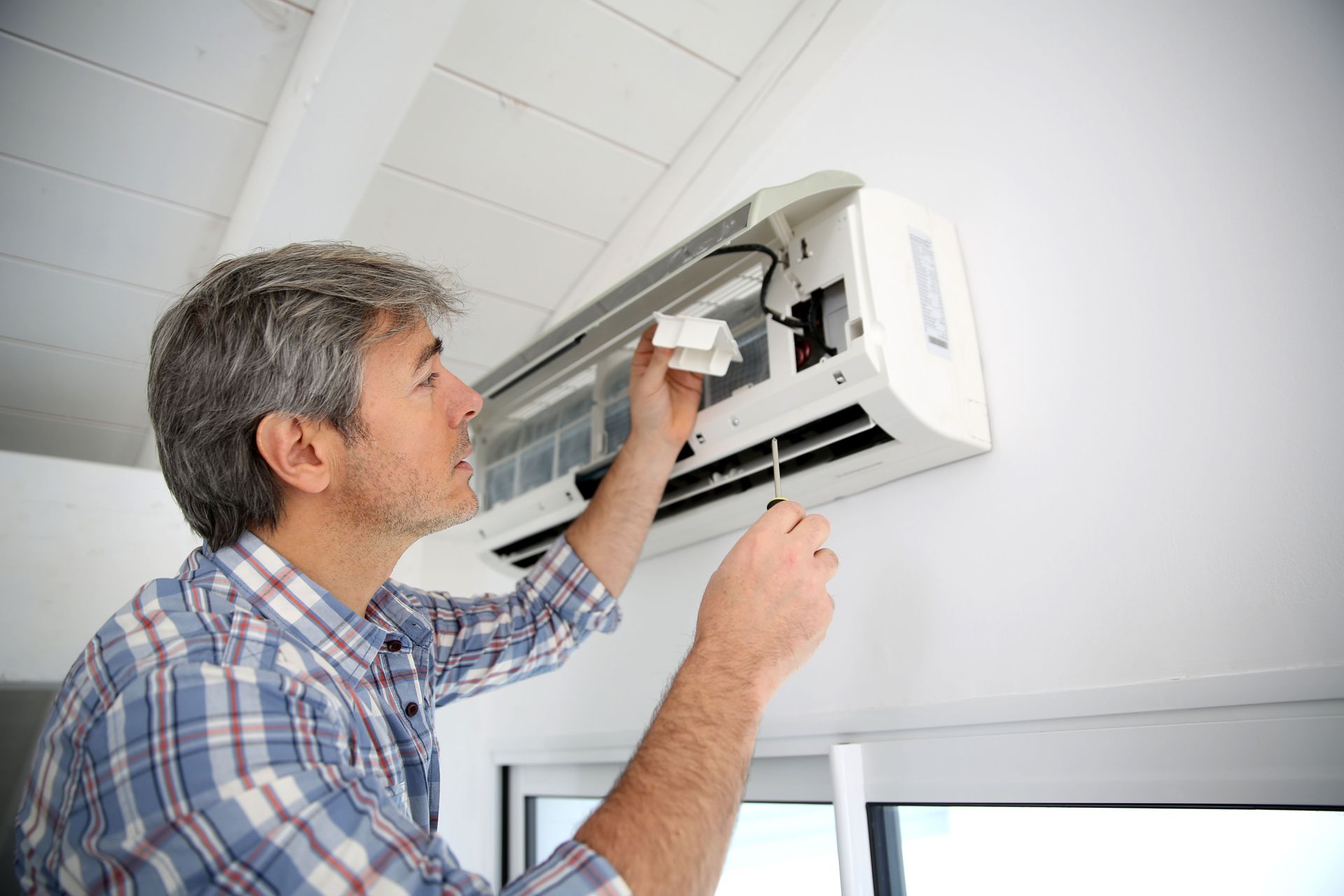
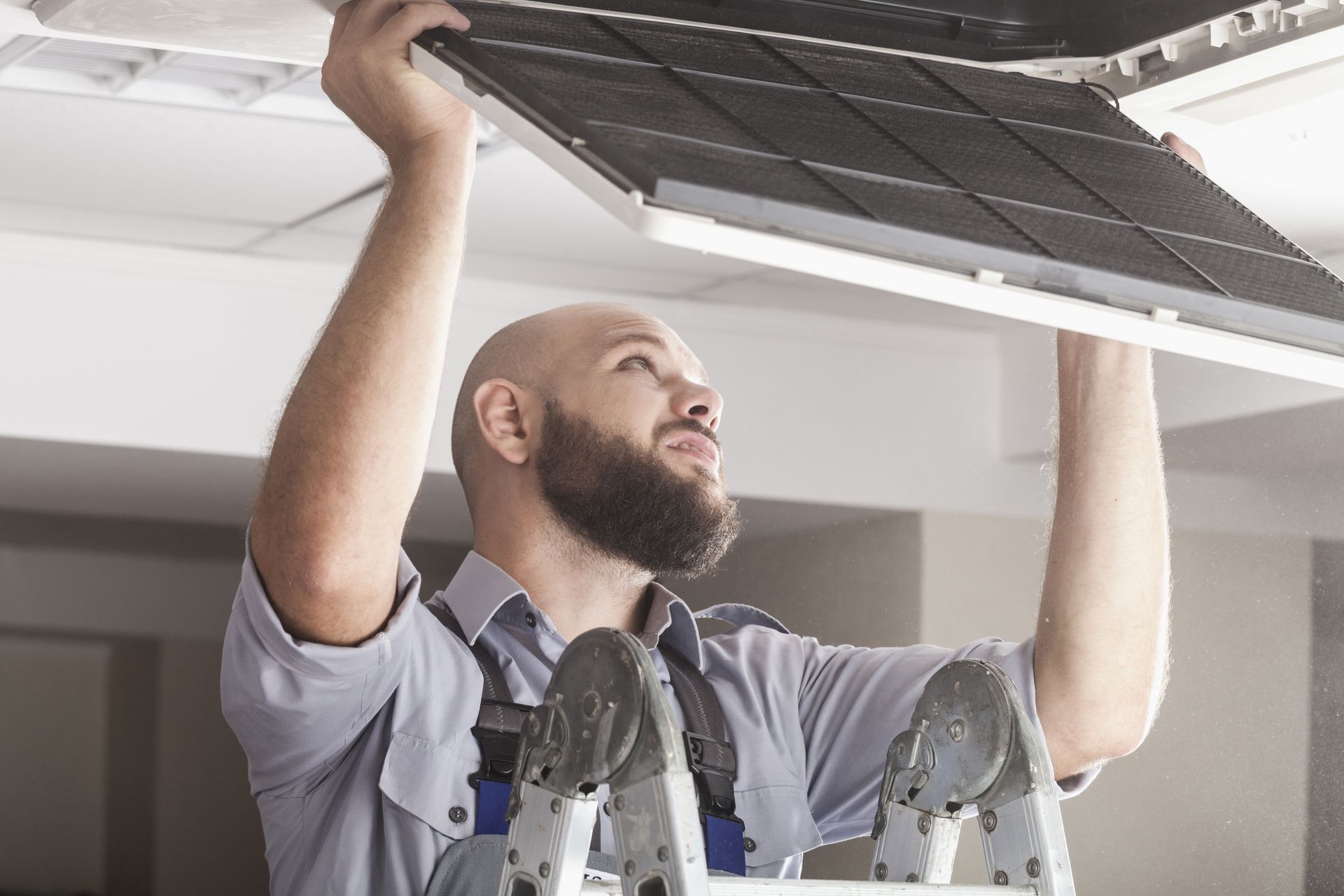
Routine preventative care remains the most effective defense against premature mechanical breakdown. Simple habits, such as replacing dirty air filters every two months, prevent airflow restrictions that strain blowers and freeze evaporator coils. Scheduling an annual inspection with a professional HVAC contractor guarantees electrical connections are torqued properly, refrigerant charges remain balanced, and condensate drain lines stay clear of algae buildup.
Analyzing Repair and Replacement Economics
Comparing Short-Term Fixes Against Capital Upgrades
The upfront price of replacing a central heating and cooling split system is significant, making low-cost repairs tempting. However, repeated service visits quickly erode those initial savings. The industry relies on the "5,000 Rule" as an objective benchmark: multiply the age of the unit by the estimated repair estimate. If the total exceeds 5,000 dollars, full replacement provides superior financial returns. Consulting an experienced HVAC contractor allows property owners to run accurate cost comparisons based on current equipment pricing and labor rates.
Evaluating the Risk of Diminishing Returns
Pouring capital into machinery nearing the end of its useful life often yields diminishing financial returns. According to Home Advisor, if your HVAC system is over 15 years old and requires costly repairs, replacing it might be more economical. Furthermore, older systems rely on phased-out refrigerants like R-22 Freon, which carry exorbitant recharge costs. A dependable HVAC contractor will explain when sourcing obsolete parts is no longer financially viable, guiding you toward modern hardware with renewed factory warranty coverage.
Maximizing Financial Incentives and Rebates
Federal energy policies, state environmental initiatives, and local utility providers offer substantial incentives to homeowners modernizing their heating and cooling infrastructure. High-efficiency heat pump installations regularly qualify for federal Energy Efficient Home Improvement Credits, drastically lowering out-of-pocket project expenses. A well-connected HVAC contractor assists customers in identifying qualifying equipment, ensuring all paperwork complies with regional rebate guidelines to maximize upfront savings.
Reviewing Environmental and Efficiency Factors
Measuring Energy Consumption and Efficiency Ratings
Air conditioning efficiency is measured by the Seasonal Energy Efficiency Ratio 2 (SEER2), while heating performance uses the Annual Fuel Utilization Efficiency (AFUE) metric. Units manufactured over a decade ago typically operate at SEER ratings of 10 to 13, whereas modern high-efficiency heat pumps easily exceed 18 to 22 SEER2. A knowledgeable HVAC contractor can calculate your existing baseline energy usage and show how upgraded equipment cuts monthly electricity consumption by up to 30 percent.
Reducing Environmental Footprints With Modern Technology
Outdated heating and cooling equipment harms the environment through excessive power usage and outdated refrigerants. Older climate control units rely on hydrochlorofluorocarbons that deplete the ozone layer and carry severe global warming potentials if released. Modern heating and cooling assemblies utilize eco-friendly refrigerants with zero ozone depletion properties. Upgrading old machinery substantially reduces your household carbon footprint, achieving both environmental stewardship and tangible utility savings.
Leveraging Inverter Compressor Performance
Traditional climate systems utilize single-stage compressors that run continuously at maximum capacity before shutting off abruptly. In contrast, modern heating and cooling systems feature variable-speed inverter compressors that dynamically adjust operational speeds to match indoor demands. These advanced systems maintain steady indoor temperatures without energy-draining power spikes. A qualified HVAC contractor can determine the ideal inverter capacity needed to achieve consistent thermal comfort across every living area.
Assessing Indoor Comfort and Air Quality
Eliminating Temperature Imbalances and Hot Spots
Deteriorating heating and cooling systems often struggle to circulate conditioned air evenly throughout multi-level floor plans. Duct static pressure drops, failing blower fans, and leaking supply plenums leave upper-floor bedrooms stifling in summer and chilly in winter. When troubleshooting complex airflow problems, an HVAC contractor can measure static pressures across your ductwork to determine whether duct sealing, zoning dampers, or equipment upgrades are required.
Improving Indoor Humidity Control and Air Filtration
Controlling relative humidity is just as important for occupant comfort as managing ambient indoor temperatures. Inefficient air conditioning systems cool rooms too quickly without running long enough to remove ambient moisture, creating a clammy interior atmosphere that encourages dust mites and surface mold growth. Modern systems integrate variable-speed blowers that dehumidify air effectively. Upgraded air handlers also accommodate high-efficiency MERV media filters, trapping airborne pollen, pet dander, and microscopic particulates to produce cleaner indoor air.
Minimizing Operating Noise and Acoustic Vibrations
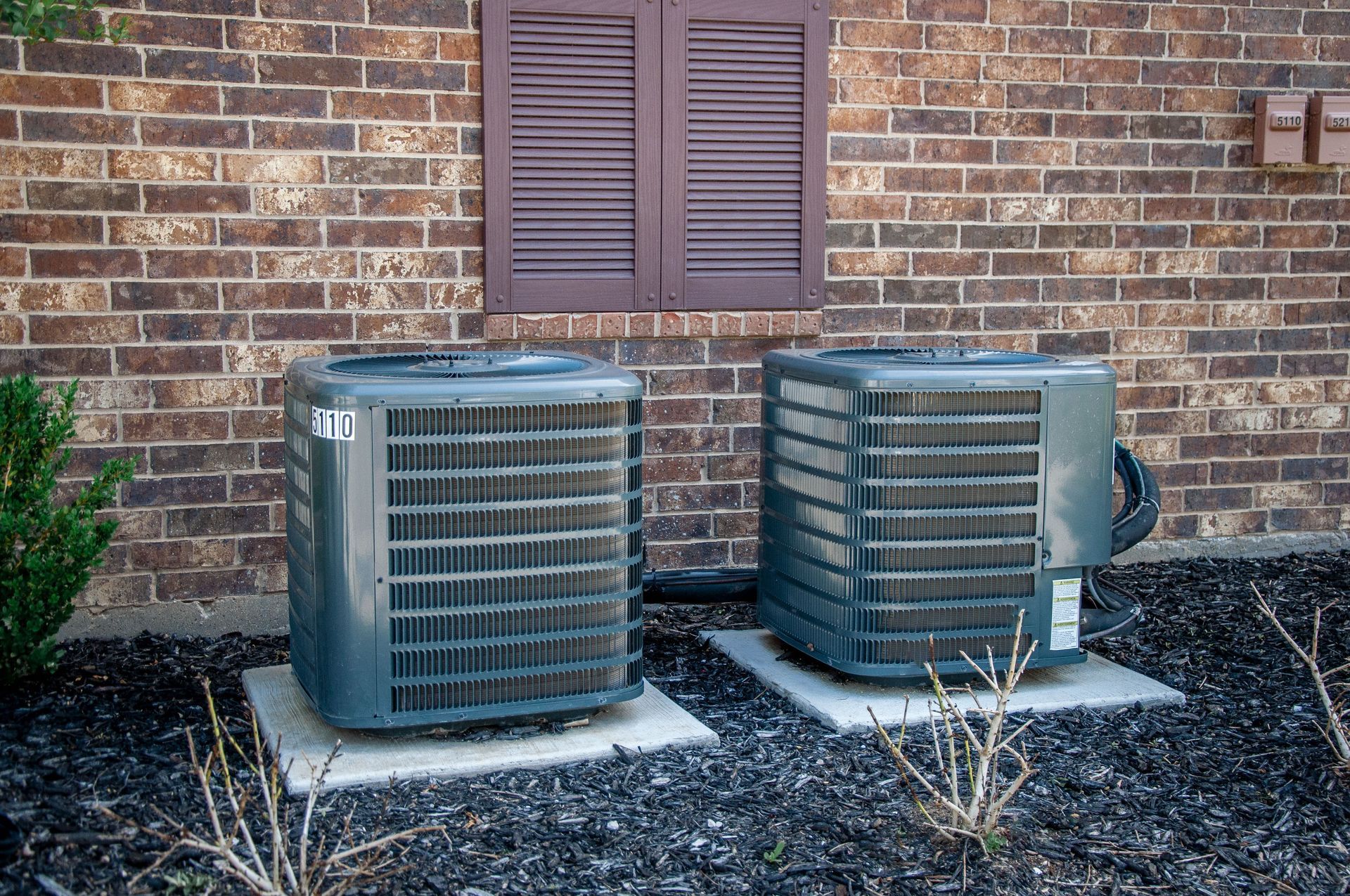
Rattling sheet metal, humming transformers, and vibrating fan blades are common nuisances produced by worn mechanical systems. Decibel levels from aging outdoor condensing units can disrupt outdoor entertaining and disturb light sleepers indoors. Modern equipment incorporates sound-dampening compressor blankets, swept-wing composite fan blades, and vibration-absorbing motor mounts to ensure whisper-quiet performance. Homeowners seeking a quieter home environment should consult a certified HVAC contractor to explore sound-insulated system configurations.
Deciding between continuing repairs or investing in equipment replacement requires evaluating age, efficiency ratings, ongoing maintenance expenses, and daily indoor comfort. While routine repairs can temporarily extend the life of a newer unit, older equipment ultimately incurs high energy costs and frequent breakdowns that outweigh the cost of an upgrade. Proactively assessing your climate system ensures you avoid emergency failures during peak summer heat or freezing winter nights.
Partnering with a licensed and insured HVAC contractor provides the diagnostic testing and professional guidance necessary to protect your home comfort investment. Whether your existing system needs precision calibration or complete replacement with an energy-efficient heat pump, professional technicians ensure your property remains comfortable, safe, and cost-efficient through every season. Contact Advantage Heating & Cooling, Inc today to speak with a qualified HVAC contractor.

Share On: