When to Upgrade Your Air Conditioning System
Most homeowners expect their cooling equipment to work reliably every summer, but no system lasts forever. Over time, performance declines, energy costs rise, and repairs become more frequent, making replacement a more practical investment than continued maintenance. Knowing when to upgrade your air conditioning system can help you avoid emergency breakdowns, reduce monthly utility bills, and improve comfort throughout your home.
A new cooling system is not just about lowering temperatures during the summer months. Updated equipment can improve energy efficiency, enhance indoor air quality, and provide more consistent comfort throughout the entire home. When homeowners understand the warning signs of an aging system, they can make informed decisions before small issues turn into expensive emergencies.
Performance
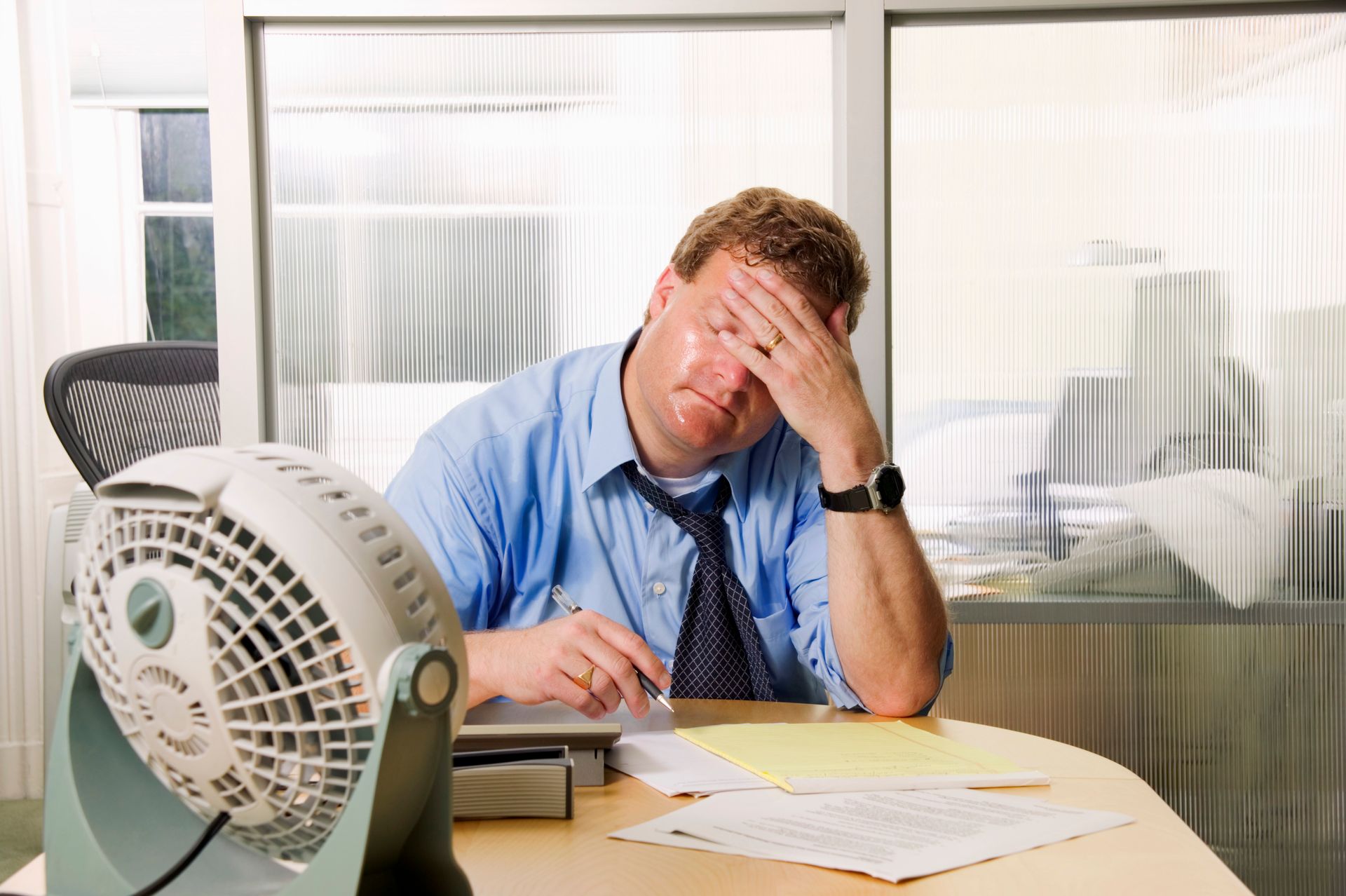
One of the clearest signs that an air conditioning system needs replacement is declining performance. If certain rooms stay warmer than others, humidity levels feel uncomfortable, or the equipment struggles to maintain the thermostat setting, the system may no longer be operating efficiently. These issues often become more noticeable during periods of extreme heat when the equipment is under the greatest strain.
Age is another important factor. Most residential cooling systems last between 10 and 15 years when properly maintained. As components wear down, the unit may run longer cycles, experience airflow restrictions, or fail to cool the home evenly. While repairs can temporarily extend operation, repeated service calls usually indicate that the equipment is approaching the end of its useful life.
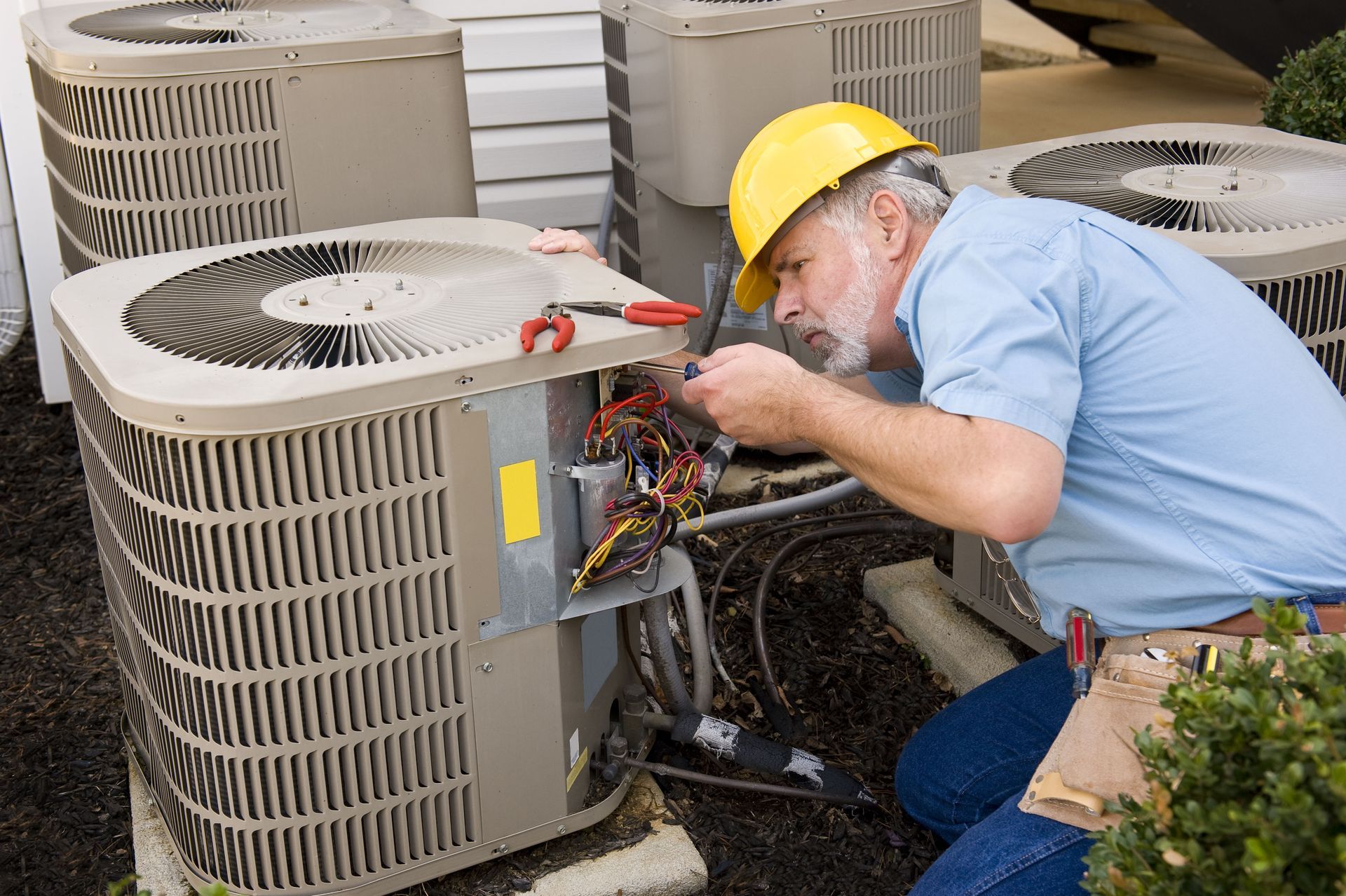
Homeowners should also pay attention to unusual sounds or odors. Grinding, rattling, buzzing, or musty smells can point to failing motors, electrical problems, or mold growth within the system. When these problems begin appearing regularly, replacing the equipment is often more cost-effective than continuing to repair aging parts.
Another issue involves system sizing. According to the Department of Energy, contractors generally estimate about 20 British Thermal Units (BTUs) of cooling capacity per square foot of living space when determining the correct size for a replacement system. An improperly sized air conditioning setup can lead to short cycling, uneven cooling, and excessive energy consumption. A professional evaluation ensures the replacement unit matches the home's actual cooling demands rather than relying on outdated calculations.
Efficiency
Rising utility bills are one of the strongest indicators that an upgrade may be necessary. Older systems naturally lose efficiency as components wear down, forcing the equipment to consume more electricity while delivering less cooling power. Even if the system still operates, it may no longer provide the same value it once did.
Modern cooling equipment is designed with significantly higher efficiency ratings than systems installed a decade ago. Variable-speed motors, smart thermostats, and improved compressor technology help newer models cool homes more consistently while reducing energy use. Replacing an outdated air conditioning unit with a high-efficiency model can lower operating costs and improve indoor comfort at the same time.
Frequent repairs also contribute to long-term inefficiency. Many homeowners continue investing in service calls because replacing the system feels like a major expense. However, repair costs can quickly accumulate over several years, especially when expensive components such as compressors or evaporator coils begin failing. Instead of continually paying for temporary fixes, investing in newer equipment often provides better long-term financial value.
Poor insulation and ductwork problems can worsen efficiency issues as well. If conditioned air escapes through leaks or insufficient insulation, allowing heat into the home, the cooling system must work harder to maintain comfortable temperatures. Upgrading the equipment while also improving insulation and duct performance can create substantial energy savings over time.
Reliability
Reliability becomes increasingly important as cooling systems age. A breakdown during the hottest part of summer is not only inconvenient but can also create health and safety concerns for children, older adults, and individuals with medical conditions. Systems that require frequent repairs often fail with little warning, leaving homeowners scrambling for emergency service.
Many older units also rely on outdated refrigerants that are becoming harder to obtain. As environmental regulations continue changing, certain refrigerants are being phased out, causing repair costs to increase significantly. If a system develops a refrigerant leak and uses an obsolete product, replacement may be more practical than continuing repairs.
Another concern is inconsistent operation. Some homeowners notice that their air conditioning equipment cycles on and off repeatedly without maintaining a steady indoor temperature. Others may find that airflow weakens over time or that humidity levels rise indoors despite the system running constantly. These symptoms can indicate serious wear within the compressor, blower motor, or internal electrical components.
Repair history should also guide replacement decisions. If service calls become routine or multiple major components fail within a short period, the overall reliability of the system is likely declining. Investing in a replacement system before a total failure occurs gives homeowners more time to compare options, schedule installation, and avoid emergency pricing during peak summer demand.
Routine maintenance still plays an important role in extending system life. Seasonal inspections, filter replacements, and coil cleaning help improve performance and reduce unnecessary strain on equipment. However, maintenance alone cannot permanently overcome the limitations of aging technology. Eventually, every cooling system reaches a point where replacement offers greater reliability and value than continued upkeep.
Technology
Modern air conditioning systems offer features that older equipment simply cannot match. Homeowners upgrading today often benefit from quieter operation, improved airflow control, and better indoor air quality. These improvements can make a noticeable difference in both comfort and daily convenience.
Smart technology has become especially valuable in residential climate control. Many newer systems integrate with programmable or Wi-Fi-enabled thermostats that allow homeowners to manage temperatures remotely. These controls help reduce energy waste by adjusting cooling schedules automatically based on occupancy and lifestyle patterns.
Indoor air quality improvements are another reason many homeowners choose to replace outdated equipment. Advanced filtration systems, humidity control features, and cleaner airflow technologies help reduce allergens, dust, and airborne contaminants throughout the home. Families dealing with allergies or respiratory sensitivities often notice significant improvements after installing upgraded equipment.
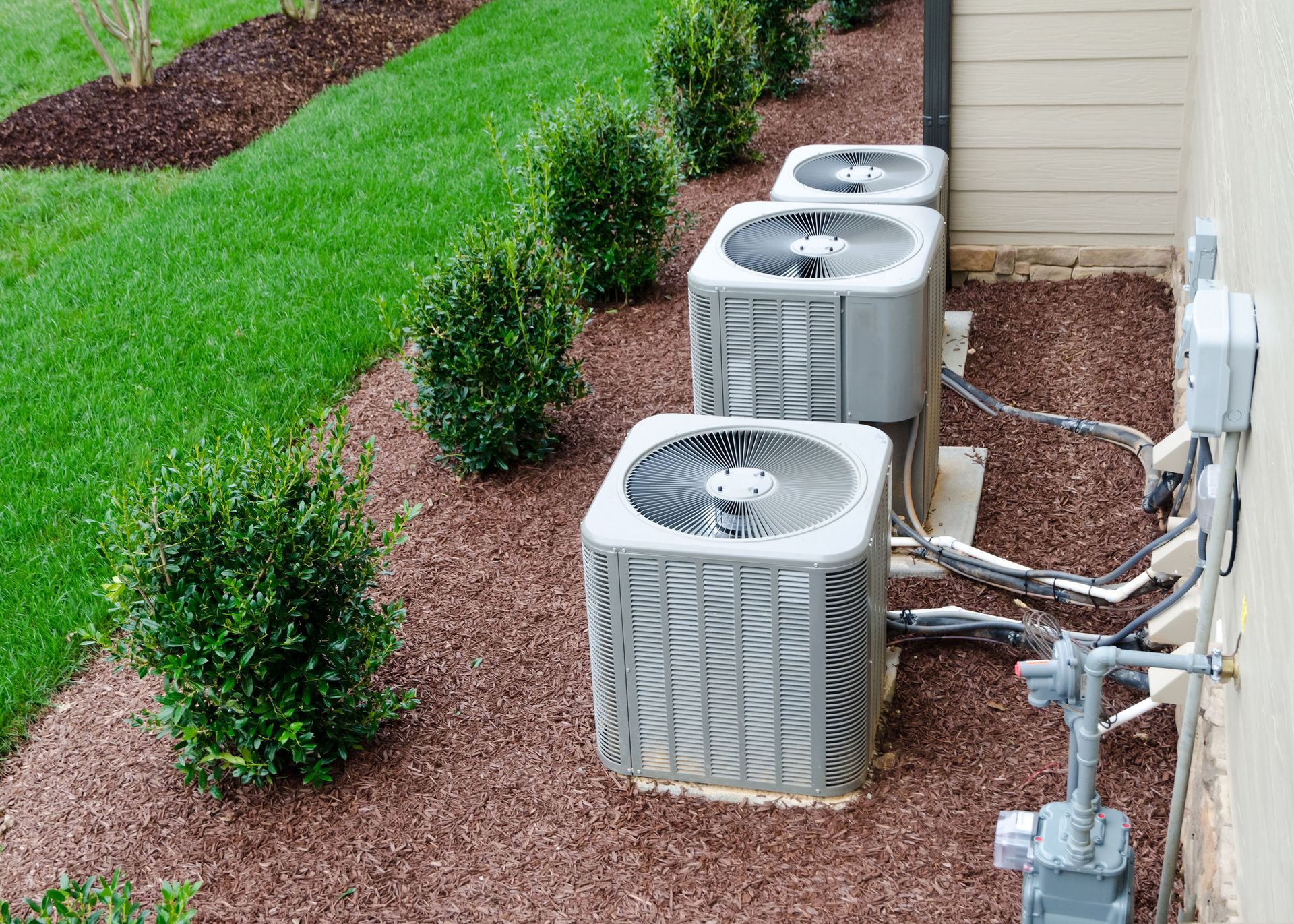
Noise reduction is another major advantage of modern air conditioning systems. Older units can become increasingly loud as motors and internal components wear down. Newer models are engineered for quieter operation, creating a more comfortable indoor and outdoor environment. This can be particularly important in neighborhoods where outdoor condenser noise affects nearby living spaces or patios.
Home renovations and additions may also require a system upgrade. If square footage has increased or the home's layout has changed substantially, the original cooling equipment may no longer provide adequate performance. An updated system designed for the current structure can improve temperature consistency and prevent excessive wear caused by overworking undersized equipment.
Recognizing the right time to replace aging cooling equipment can save homeowners money, improve comfort, and prevent stressful breakdowns during extreme weather. Warning signs such as inconsistent temperatures, rising utility bills, repeated repairs, and outdated technology often indicate that replacement is the smarter long-term solution. Upgrading your
air conditioning system at the right time allows you to benefit from improved efficiency, reliability, and modern comfort features before major failures occur.
At Advantage Heating & Cooling, Inc, we help homeowners determine when replacement makes more sense than continued repairs. We take pride in providing honest recommendations, professional installations, and dependable service tailored to each home's specific needs. Contact us today to let us help you choose a cooling solution that delivers long-term comfort and efficiency.

Share On: